
Elementor alternatives are becoming increasingly popular as website owners look for faster, lighter, and more flexible ways to build WordPress sites. While Elementor remains one of the most widely used page builders, it’s not always the best choice—especially if performance, clean code, or long-term scalability are your priorities.
In 2026, WordPress users have access to powerful Elementor alternatives that offer better speed, improved Core Web Vitals, deeper customization, and less plugin bloat. Some focus on simplicity and native WordPress integration, while others are built for developers, agencies, or high-converting business websites. Choosing the right page builder can directly impact your site’s SEO, user experience, and maintenance costs.
In this guide, we compare the best Elementor alternatives side by side, breaking down their features, performance, pricing, and ideal use cases. By the end, you’ll know exactly which page builder fits your website goals—whether you’re building a blog, business site, landing pages, or an online store.
Table of Contents
Quick Comparison Table: Best Elementor Alternatives (2026)
The table below gives a high-level overview of the best Elementor alternatives, making it easy to compare performance, ease of use, and ideal use cases at a glance.
| Page Builder | Ease of Use | Performance | Templates | WooCommerce Support | Pricing | Best For |
|---|---|---|---|---|---|---|
| Gutenberg (Block Editor) | Very Easy | Excellent | Moderate | Good | Free | Blogs & lightweight sites |
| Bricks Builder | Moderate | Excellent | Good | Excellent | Paid (one-time) | Performance-focused sites |
| Beaver Builder | Easy | Good | Good | Good | Paid | Business websites |
| Divi Builder | Easy | Moderate | Excellent | Excellent | Paid (lifetime option) | Design-heavy sites |
| Oxygen Builder | Advanced | Excellent | Limited | Good | Paid (one-time) | Developers & agencies |
| Breakdance | Easy–Moderate | Very Good | Excellent | Excellent | Paid | Modern business sites |
How to Use This Table
If you want a fast, native WordPress experience, Gutenberg is the lightest Elementor alternative.
For maximum performance and clean code, Bricks and Oxygen stand out.
If you prefer ready-made designs and ease of use, Divi and Breakdance are strong Elementor alternatives for 2026.
Each of these Elementor alternatives excels in different areas, which is why a deeper breakdown matters before choosing the right page builder.
Top Elementor Alternatives in 2026
Choosing the right page builder depends on performance, flexibility, and how much control you want over your WordPress site. Below are the top Elementor alternatives in 2026, each suited to different use cases—from beginners to developers and agencies.
1. Gutenberg (WordPress Block Editor)
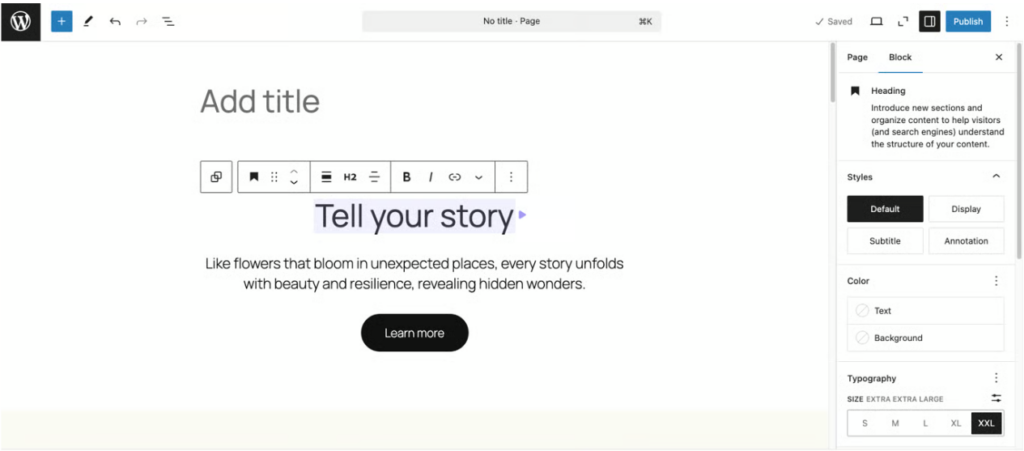
Gutenberg is the default WordPress editor and one of the most lightweight Elementor alternatives available. It focuses on blocks rather than widgets, resulting in clean code and excellent performance. With the help of block libraries and full-site editing themes, Gutenberg can now replace Elementor for many websites.
Best for: Blogs, content-focused sites, performance-first projects
Strengths: Fast loading, native WordPress support, no plugin lock-in
Limitations: Less visual control compared to advanced builders
2. Bricks Builder
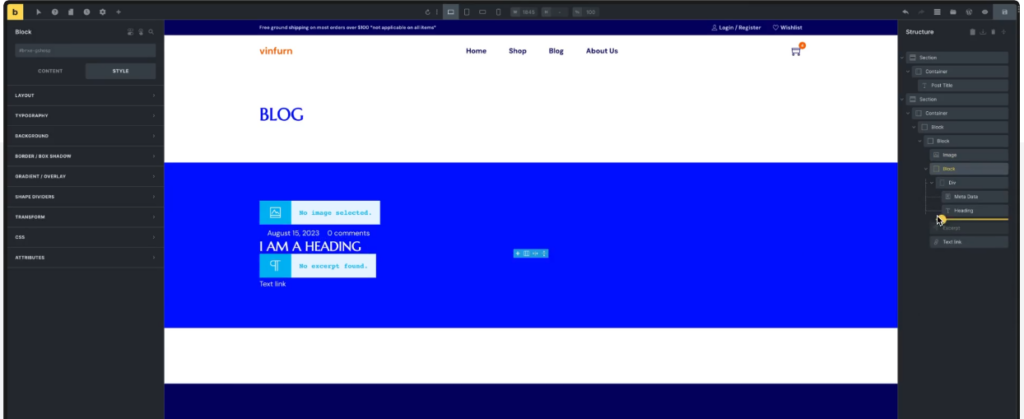
Bricks Builder is a performance-focused visual builder designed for clean code output and full site control. It offers advanced layout options, dynamic content, and deep WooCommerce integration, making it one of the most powerful Elementor alternatives for 2026.
Best for: Performance-focused websites, professionals, agencies
Strengths: Excellent speed, full theme builder, one-time pricing
Limitations: Slightly steeper learning curve for beginners
3. Beaver Builder
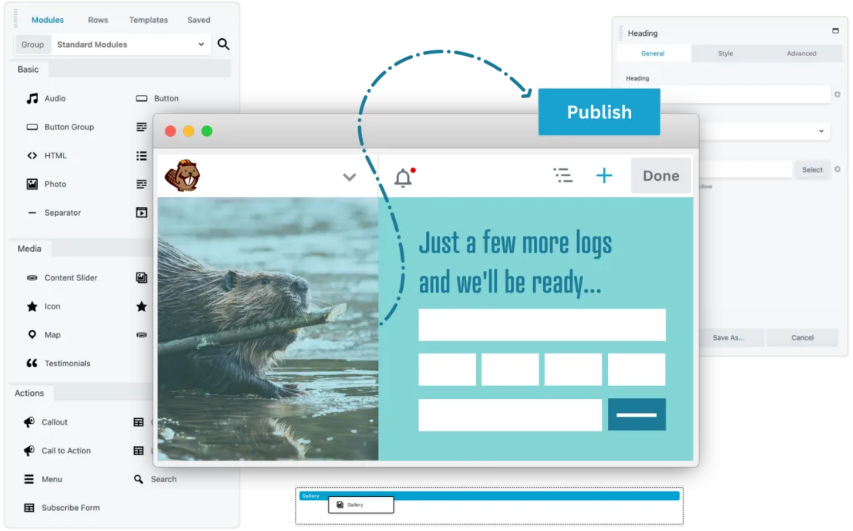
Beaver Builder is known for its stability and ease of use. It’s a reliable Elementor alternative for business websites that need consistent performance without frequent design changes. While it’s not as flashy as some builders, it delivers predictable results.
Best for: Business websites, long-term client projects
Strengths: Beginner-friendly, stable updates, strong support
Limitations: Fewer design effects and templates
4. Divi Builder
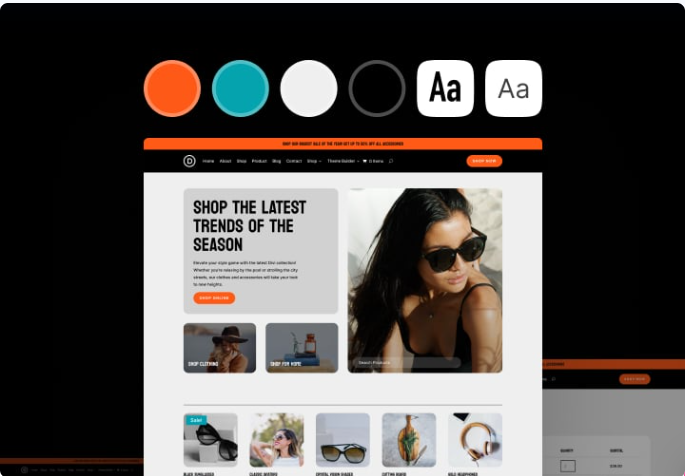
Divi is one of the most popular Elementor alternatives thanks to its massive template library and lifetime pricing option. It offers powerful visual design tools and is especially appealing to users who want creative freedom without using multiple plugins.
Best for: Design-heavy websites, freelancers, agencies
Strengths: Large template library, lifetime license, strong community
Limitations: Heavier output compared to performance-focused builders
5. Oxygen Builder
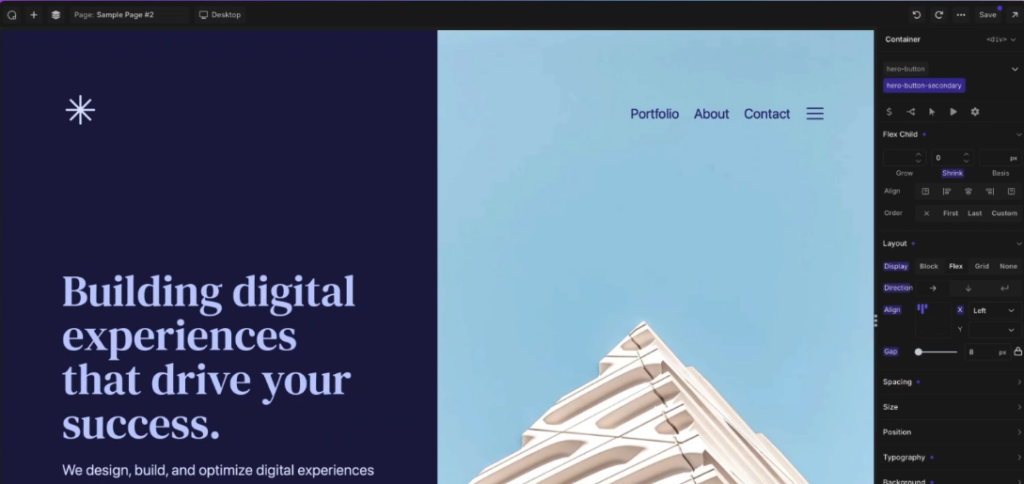
Oxygen Builder is a developer-centric Elementor alternative that prioritizes clean HTML and maximum control. It replaces your WordPress theme entirely, making it ideal for custom builds where performance and scalability matter most.
Best for: Developers, custom websites, complex projects
Strengths: Extremely fast, minimal bloat, one-time payment
Limitations: Not beginner-friendly, smaller template library
6. Breakdance Builder
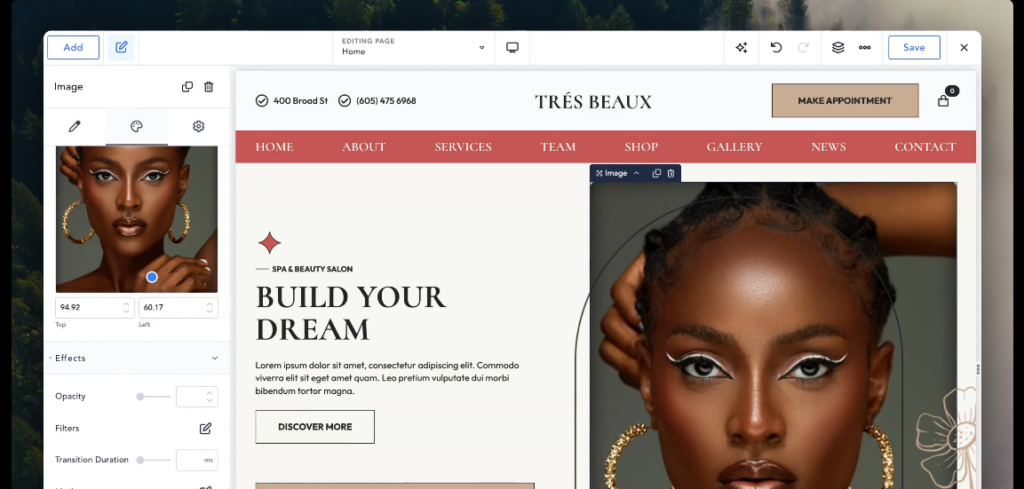
Breakdance is a newer but fast-growing Elementor alternative that combines ease of use with modern design tools. It offers native WooCommerce support and visually rich templates while maintaining good performance.
Best for: Modern business sites, WooCommerce stores
Strengths: Intuitive interface, strong WooCommerce features
Limitations: Smaller ecosystem than older builders
Comparison Categories Explained
To fairly evaluate the best Elementor alternatives, it’s important to look beyond just design features. Page builders affect your website’s performance, SEO, usability, and long-term maintenance. The comparison categories below explain exactly what we analyze for each Elementor alternative and why it matters.
1. Ease of Use
Ease of use measures how quickly you can build pages without technical knowledge. Some Elementor alternatives focus on visual drag-and-drop simplicity, while others prioritize control over convenience.
Why it matters:
A beginner-friendly builder saves time and reduces reliance on tutorials or developers.
2. Performance & Page Speed
This category looks at how each Elementor alternative impacts loading speed, Core Web Vitals, and overall site performance. Builders that generate clean, lightweight code usually perform better.
Why it matters:
Faster sites rank higher on Google and provide a better user experience.
3. Design Flexibility & Styling Options
Here we compare layout controls, spacing, typography, responsive settings, and creative freedom. Some Elementor alternatives offer pixel-perfect design, while others keep things minimal.
Why it matters:
Greater flexibility allows you to match your brand without custom CSS.
4. Pre-Built Templates & Starter Sites
Templates help you launch faster. This category evaluates the number, quality, and variety of ready-made layouts included with each Elementor alternative.
Why it matters:
High-quality templates reduce development time and improve consistency.
5. Theme Builder Capabilities
Theme building refers to designing headers, footers, blog posts, and archive pages visually. Not all Elementor alternatives offer full site editing.
Why it matters:
Full theme control eliminates the need for additional theme customization.
6. Dynamic Content Support
This category checks whether Elementor alternatives support dynamic data such as custom fields, post types, and conditional logic.
Why it matters:
Dynamic content is essential for advanced websites, directories, and custom projects.
7. WooCommerce Compatibility
Here we compare how well each builder works with WooCommerce, including product pages, shop layouts, carts, and checkout customization.
Why it matters:
Strong WooCommerce support is crucial for conversion-focused online stores.
8. SEO & Clean Code Output
This category focuses on semantic HTML, code structure, and compatibility with SEO plugins. Some Elementor alternatives generate cleaner markup than others.
Why it matters:
Clean code improves crawlability and long-term SEO performance.
9. Developer-Friendly Features
We evaluate custom CSS support, hooks, filters, and extensibility for advanced users and agencies.
Why it matters:
Developer-friendly tools allow deeper customization without performance trade-offs.
10. Pricing & Licensing
Pricing compares free vs paid plans, site limits, lifetime licenses, and overall value for money among Elementor alternatives.
Why it matters:
The wrong pricing model can significantly increase long-term costs.
11. Updates, Support & Stability
This category looks at update frequency, documentation quality, and customer support reliability.
Why it matters:
Well-maintained Elementor alternatives reduce security risks and compatibility issues.
12. Migration From Elementor
Migration evaluates how easy it is to switch from Elementor and how much content remains after deactivation.
Why it matters:
Low lock-in means less risk if you change builders in the future.
Pricing of Elementor Alternatives
When evaluating Elementor alternatives, pricing is a major factor to consider. Page builders differ in their payment models, license restrictions, and long-term value. Choosing the right builder ensures you get the features you need without overpaying or running into limitations.
Free vs Paid Builders
Some Elementor alternatives, like Gutenberg, are completely free and fully integrated into WordPress. They are ideal for lightweight blogs and small websites but may require additional plugins for advanced features.
Paid alternatives, such as Bricks Builder, Divi, Oxygen, and Breakdance, offer more design flexibility, templates, and WooCommerce support. Most come with annual subscriptions, while a few (like Bricks and Oxygen) offer one-time payments, which can save money in the long run.
Typical Pricing Overview (2026)
| Builder | Free Version | Paid Version | License Type | Notes |
|---|---|---|---|---|
| Gutenberg | ✅ Full free | N/A | N/A | Ideal for simple sites; minimal bloat |
| Bricks Builder | ❌ No free version | $149 one-time | Lifetime, 1–999 sites | Fast, clean code, advanced features |
| Beaver Builder | ❌ No free version | $99/year | 1 site (Standard) | Reliable for business sites |
| Divi Builder | ❌ No free version | $89/year or $249 lifetime | Unlimited sites | Large template library and strong design tools |
| Oxygen Builder | ❌ No free version | $129 one-time | Lifetime, unlimited sites | Developer-focused, replaces theme |
| Breakdance Builder | ❌ No free version | $149/year | 1 site | Modern, beginner-friendly with WooCommerce support |
Note: Prices are accurate as of 2026 and may change over time.
Choosing the Right Pricing Model
- Beginner or Small Site: Gutenberg (free) or Breakdance (affordable subscription)
- One-Time Investment: Bricks Builder or Oxygen Builder for lifetime licenses
- Creative Freedom & Templates: Divi for lifetime or annual plans
- Business Websites: Beaver Builder for predictable yearly support
By understanding the pricing structure of each Elementor alternative, you can select the one that fits your budget and website goals without sacrificing essential features.
Which Elementor Alternative Should You Choose?
With so many options available, selecting the right Elementor alternative can feel overwhelming. The best choice depends on your website goals, technical expertise, and budget. Here’s a clear guide to help you pick the right page builder for 2026.
1. For Beginners & Content-Focused Sites
Recommended Builder: Gutenberg or Breakdance
- Why: Both are easy to use, lightweight, and integrate seamlessly with WordPress.
- Best For: Bloggers, small business websites, and anyone who wants a fast, simple builder without extra costs.
- Considerations: Limited advanced styling compared to Divi or Oxygen.
2. For Performance & Developer Control
Recommended Builder: Bricks Builder or Oxygen Builder
- Why: These Elementor alternatives produce clean, minimal code, offering excellent speed and flexibility.
- Best For: Developers, agencies, and performance-focused websites.
- Considerations: Slightly steeper learning curve; ideal if you want full control over layout and dynamic content.
3. For Design-Heavy Websites
Recommended Builder: Divi Builder
- Why: Divi offers a massive template library, advanced design features, and lifetime licensing options.
- Best For: Freelancers, designers, and agencies building visually rich websites.
- Considerations: Slightly heavier output, which may affect loading speed.
4. For WooCommerce & E-Commerce Stores
Recommended Builder: Breakdance or Bricks Builder
- Why: Both provide strong WooCommerce customization tools, pre-designed product templates, and fast performance.
- Best For: Online stores and businesses focused on conversions.
- Considerations: Breakdance is newer but beginner-friendly; Bricks Builder is more developer-focused.
Quick Summary
| User Type | Best Elementor Alternative | Key Reason |
|---|---|---|
| Beginners & Bloggers | Gutenberg / Breakdance | Easy to use, lightweight |
| Developers / Agencies | Bricks / Oxygen | Clean code, performance, flexibility |
| Design-Heavy Sites | Divi | Templates, styling, creative freedom |
| WooCommerce Stores | Breakdance / Bricks | WooCommerce features & speed |
Choosing the right Elementor alternative ensures your site remains fast, scalable, and easy to maintain, while providing the features you need for your specific goals.
Best Use Cases for Elementor Alternatives
Different Elementor alternatives excel in different scenarios. Understanding the best use cases helps you choose the right page builder for your website, saving time, improving performance, and achieving your goals more efficiently.
1. Blogs and Content-Focused Websites
Recommended Elementor alternatives: Gutenberg, Breakdance
- Why: These builders are lightweight, easy to use, and fully integrated with WordPress.
- Best Features: Simple drag-and-drop, clean code, minimal bloat.
- Ideal For: Bloggers, writers, personal websites, and content-heavy sites that prioritize speed and SEO.
2. Business Websites
Recommended Elementor alternatives: Beaver Builder, Divi
- Why: These builders offer a balance of flexibility and stability, with plenty of templates for business pages.
- Best Features: Pre-built sections, full theme builder, easy customization.
- Ideal For: Small businesses, agencies, and professional service websites.
3. E-Commerce Stores
Recommended Elementor alternatives: Breakdance, Bricks Builder, Divi
- Why: They provide strong WooCommerce integration and templates for product pages, carts, and checkout.
- Best Features: WooCommerce-specific widgets, performance-focused code, modern designs.
- Ideal For: Online shops, dropshipping sites, and any business selling products online.
4. Developer & Agency Projects
Recommended Elementor alternatives: Oxygen Builder, Bricks Builder
- Why: These builders are developer-focused, allowing full control over code, dynamic content, and theme building.
- Best Features: Hooks, filters, custom CSS, dynamic data, clean HTML output.
- Ideal For: Agencies, freelancers, and developers building high-performance custom websites.
5. Landing Pages and Marketing Funnels
Recommended Elementor alternatives: Divi, Breakdance
- Why: These builders make it easy to create visually appealing landing pages with conversion-focused templates.
- Best Features: Pre-designed sections, form integrations, CTA optimization, and responsive layouts.
- Ideal For: Marketing campaigns, product launches, lead generation, and sales funnels.
Final Verdict: Which Elementor Alternative Is Right for You?
After comparing the top Elementor alternatives in 2026, it’s clear that no single page builder fits every use case. Your ideal choice depends on your technical skills, website type, and priorities such as performance, design flexibility, or e-commerce capabilities.
- For beginners or bloggers: Gutenberg and Breakdance are the easiest Elementor alternatives to start with. They are lightweight, intuitive, and integrate seamlessly with WordPress.
- For performance-focused websites or developers: Bricks Builder and Oxygen Builder provide clean, minimal code and advanced customization options, making them perfect for complex or high-speed websites.
- For design-heavy sites and agencies: Divi offers a rich template library, advanced styling, and a lifetime license option for long-term value.
- For WooCommerce stores: Breakdance and Bricks Builder give excellent e-commerce customization, fast performance, and visually appealing templates.
Ultimately, the best Elementor alternative is the one that balances ease of use, performance, and features to match your specific website goals. By choosing wisely, you can create a fast, scalable, and beautiful WordPress site without the limitations or bloat sometimes associated with Elementor.
Frequently Asked Questions About Elementor Alternatives
1. What are the best Elementor alternatives in 2026?
The top Elementor alternatives in 2026 include Gutenberg, Bricks Builder, Beaver Builder, Divi Builder, Oxygen Builder, and Breakdance. Each caters to different users, from beginners to developers and WooCommerce store owners.
2. Are there any free Elementor alternatives?
Yes. Gutenberg, the default WordPress block editor, is completely free and lightweight, making it a popular choice among beginners. Breakdance also offers a trial version, while most other top Elementor alternatives are paid.
3. Which Elementor alternative is best for beginners?
For beginners, Gutenberg and Breakdance are the easiest to use. They have intuitive drag-and-drop interfaces, pre-built templates, and minimal learning curves.
4. Which Elementor alternative is fastest and best for performance?
Bricks Builder and Oxygen Builder are the fastest Elementor alternatives. They generate clean, minimal code that improves site speed and SEO performance.
5. Can Elementor alternatives work with WooCommerce?
Yes. Bricks Builder, Breakdance, Divi, and Oxygen all offer strong WooCommerce support, allowing you to customize product pages, carts, and checkout layouts without extra plugins.
6. Are Elementor alternatives suitable for professional designers?
Absolutely. Divi Builder and Oxygen Builder are excellent choices for professional designers and agencies, offering advanced styling options, template libraries, and full theme-building capabilities.
7. Do Elementor alternatives require coding knowledge?
It depends on the builder. Gutenberg, Beaver Builder, and Breakdance are beginner-friendly and mostly require no coding. Bricks Builder and Oxygen Builder offer more control for developers but have a steeper learning curve.
8. Which Elementor alternative is the best value for money?
- Lifetime payment options: Bricks Builder and Oxygen Builder offer one-time purchases, making them cost-effective in the long run.
- Annual subscriptions: Divi provides excellent templates and design flexibility for its yearly fee.


